Main Content
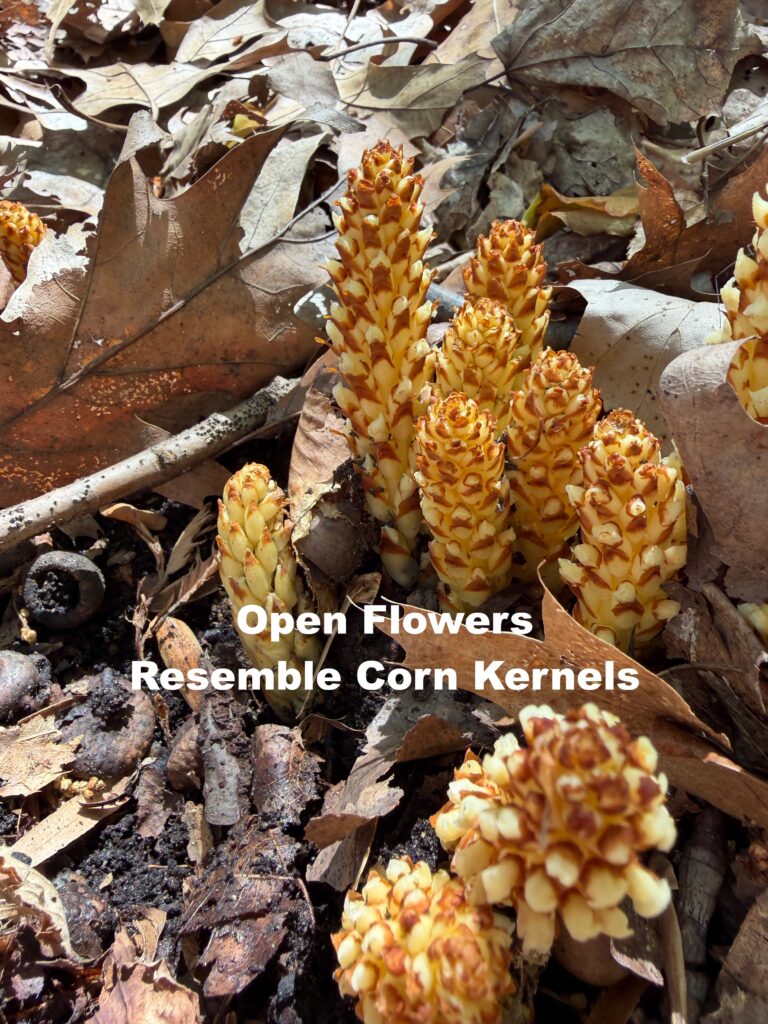
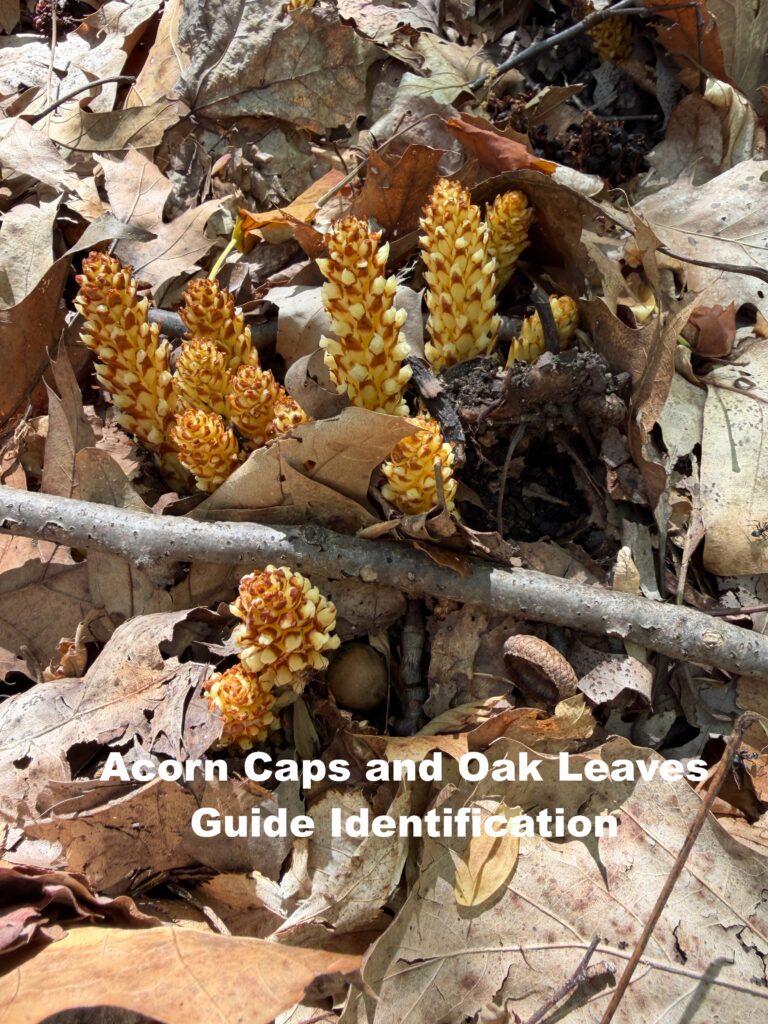
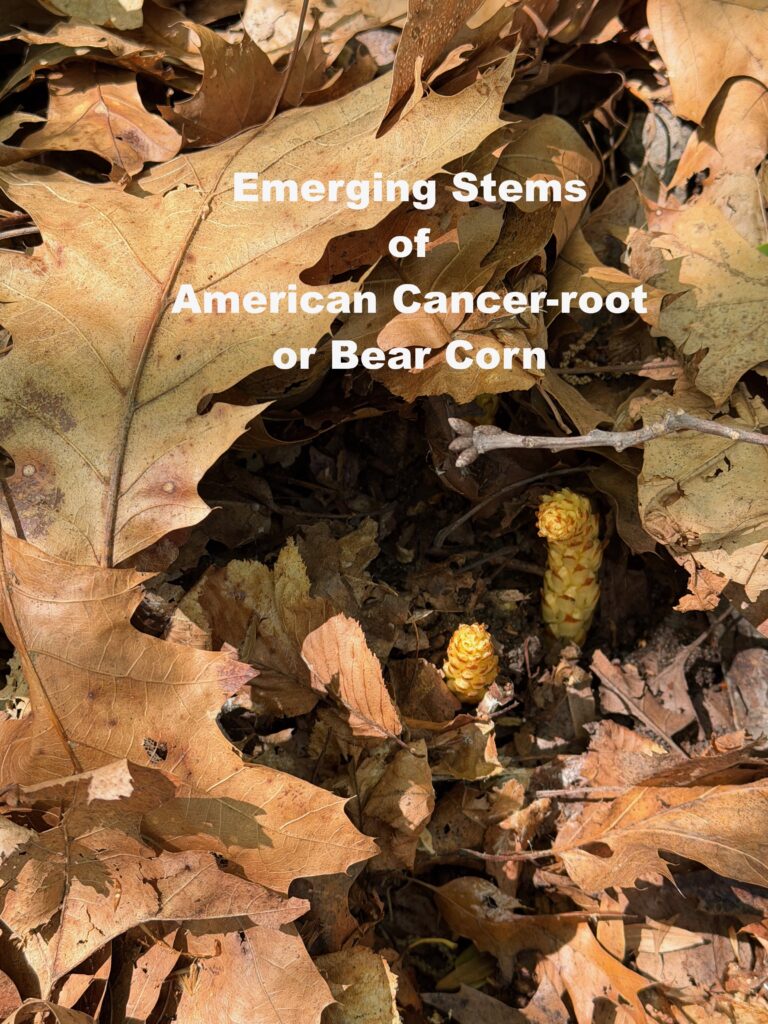
Walking along a forested NJ hiking trail during May, this Master Gardener spotted some funny-looking, creamy spikes poking out of the leaf litter. Pushing the leaves aside, we discovered several clusters of flower stems from the American cancer-root (Cornopholis americana), also known as bear corn. Despite the dire sounding name, the cancer-root has nothing to do with cancer itself. It is, however, a parasitic plant mainly found growing from the roots of various oak (Quercus) species. It survives by tapping into the tree’s roots for nutrients. The scientific name comes from the Greek, “conos” meaning cone, and “pholos,” meaning scale, describing its resemblance to the pinecone. Cancer-root can be found in most of the eastern US and Canada in forested areas with rich, loamy soil. It is considered threatened or rare in several northeastern states.
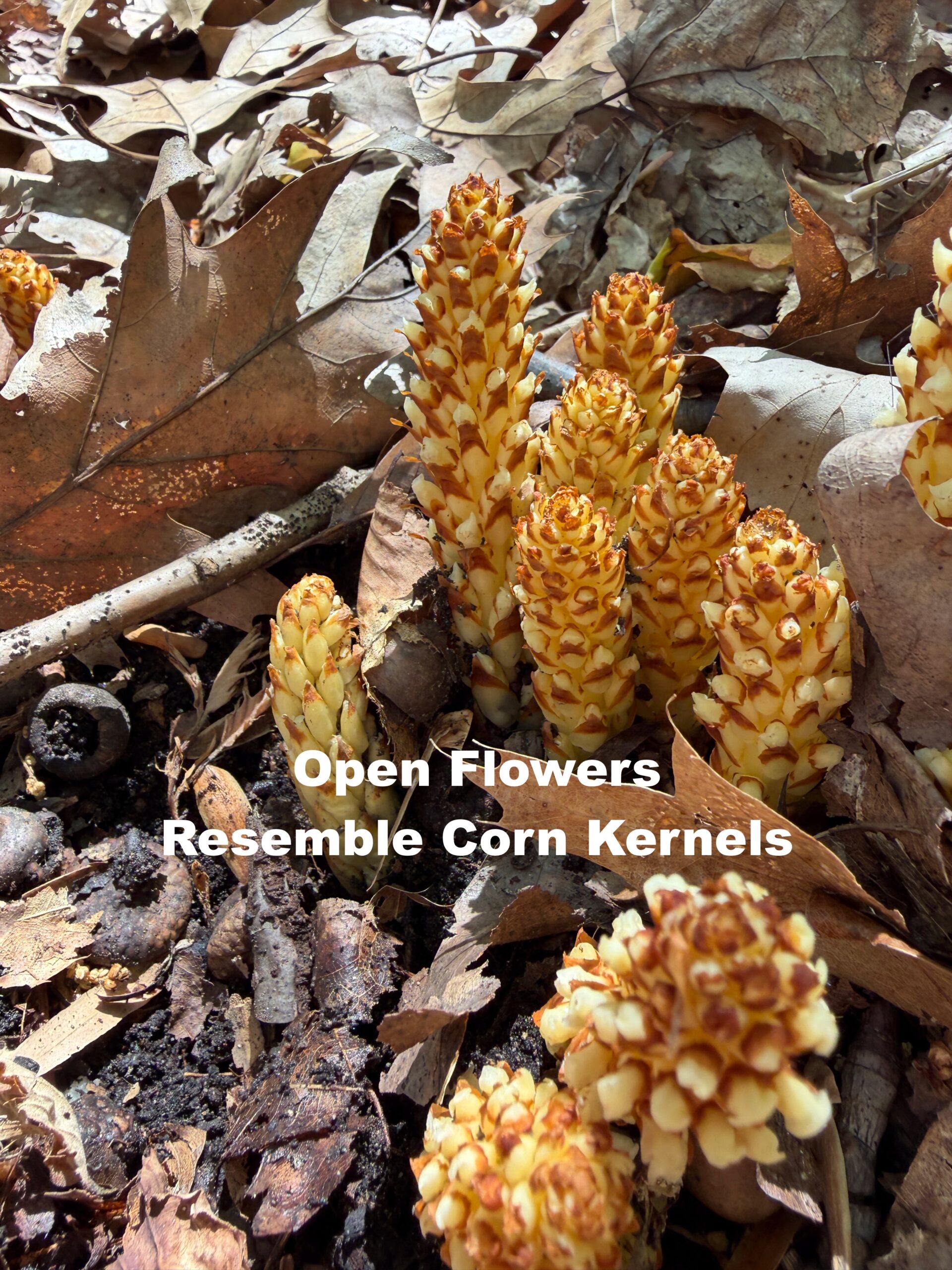
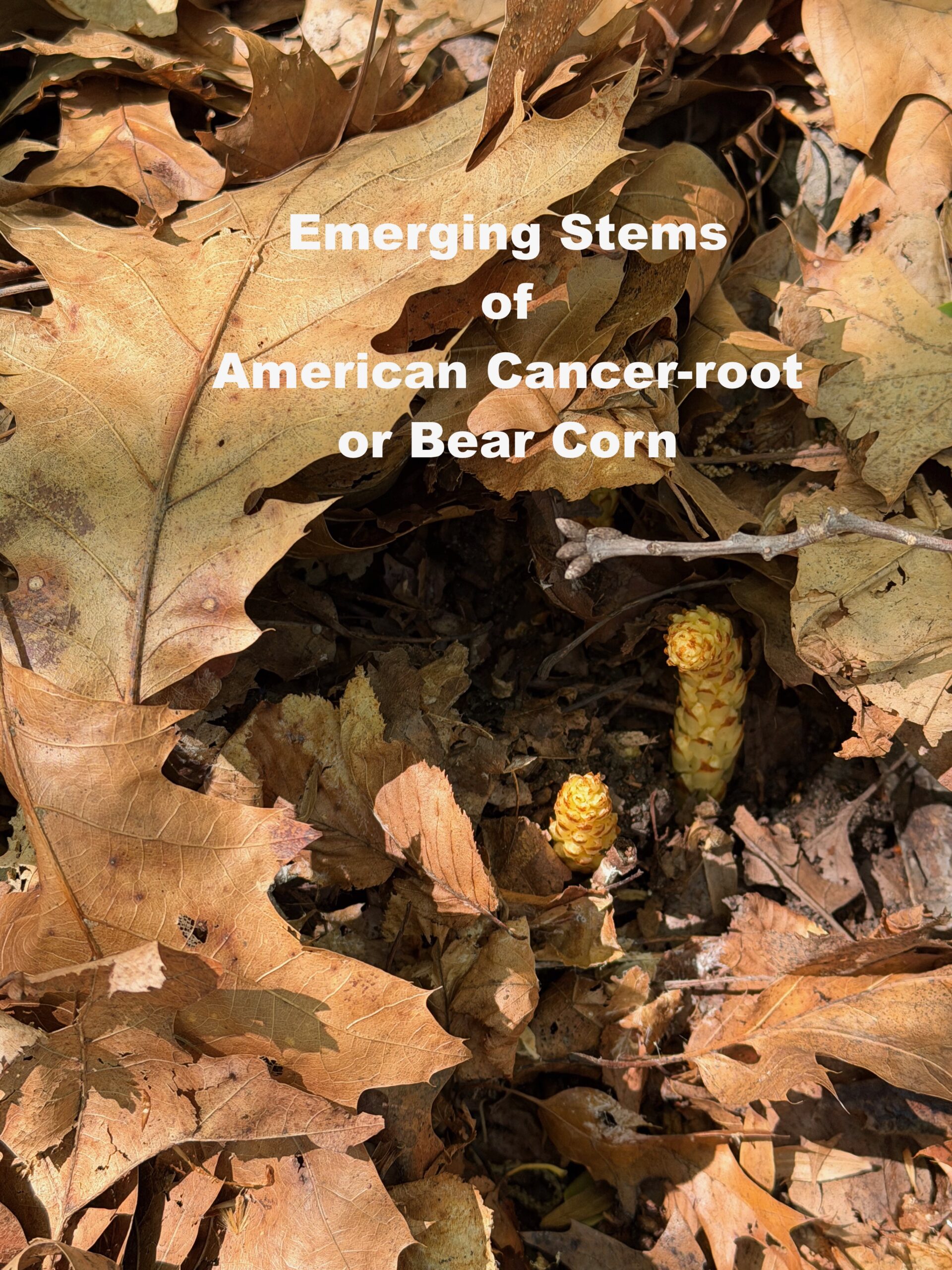
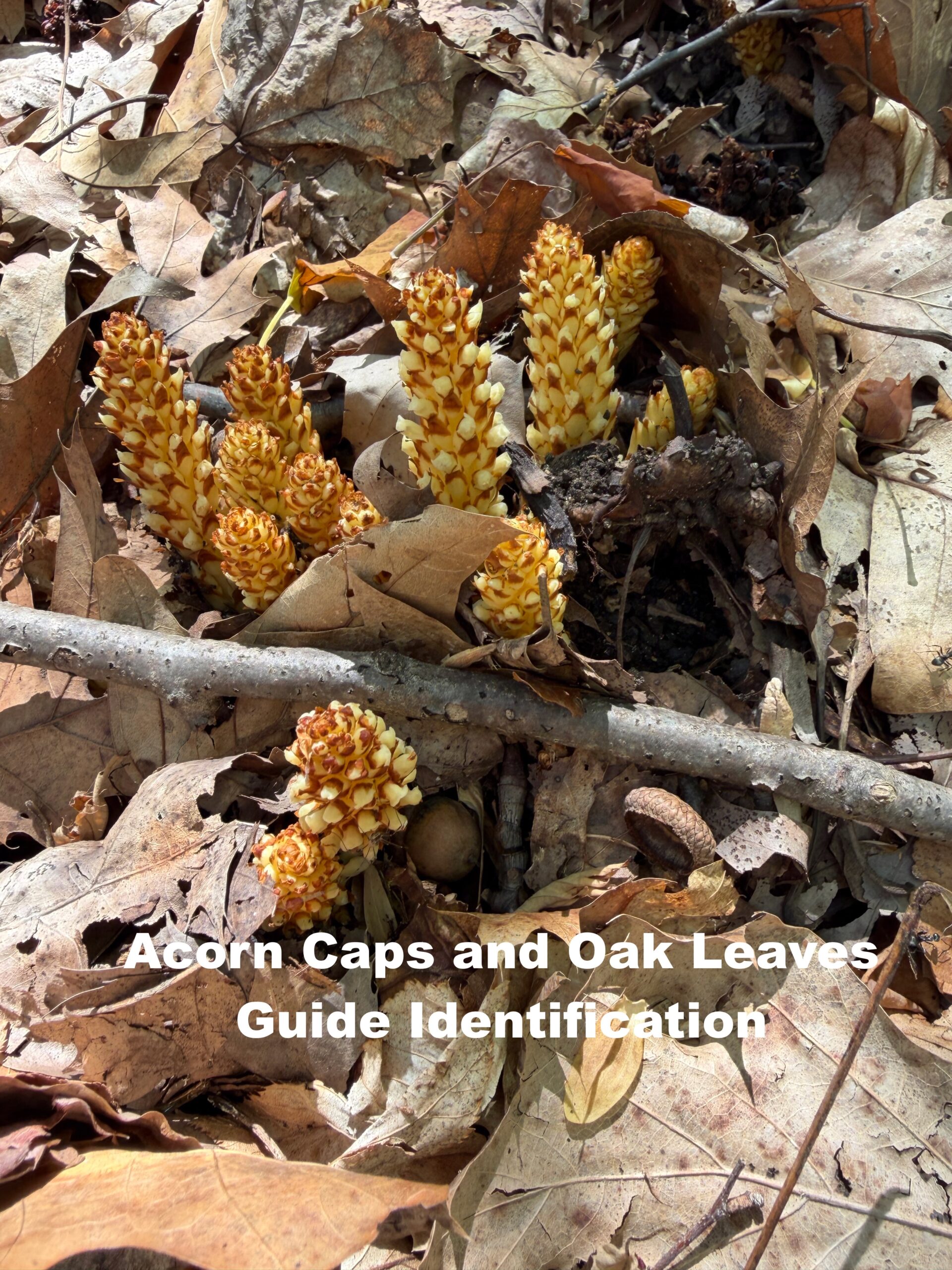
The cancer-root has an interesting life cycle. A seed germinates near an oak tree, and its root system attaches to the oak roots and forms a gall there. After growing underground for about 4 years, during late spring, it will send up the spiky stems, with the flowers opening several weeks later starting from the bottom up. The plant produces no chlorophyll, so is creamy yellow to brown. The spikes are 2″-8” high, and .5″-1” wide, and the flowers, which resemble corn kernels, face downward. The flowers last about 3 weeks, then wither and turn brown. The cancer-root will send up flowers for several years before dying out. The parasite does not seem to seriously hurt the host tree.
Bears coming out of hibernation (and perhaps deer) eat the plants and spread the seeds. What a lucky find for any visitor to the forest!
To learn more:
https://plants.ces.ncsu.edu/plants/conopholis-americana
https://www.fs.usda.gov/…/conopholis_americana.shtml
Credit: Kathy T., Rutgers Master Gardener of Hunterdon County